Source organic gluten free mushroom coffee powder for energy, focus, and immunity
Find 30 verified suppliers offering organic gluten free mushroom coffee powder suitable for energy drinks, functional beverages, and dietary supplements. Compare specifications, certifications, and pricing to identify the right manufacturer for your bulk needs.
Key considerations
Products List
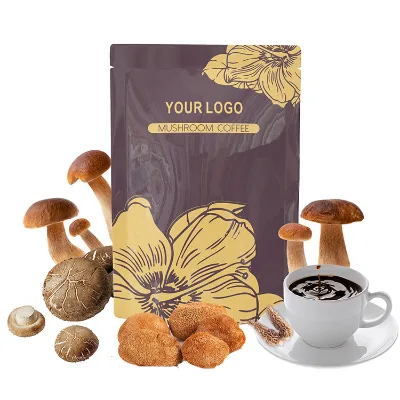
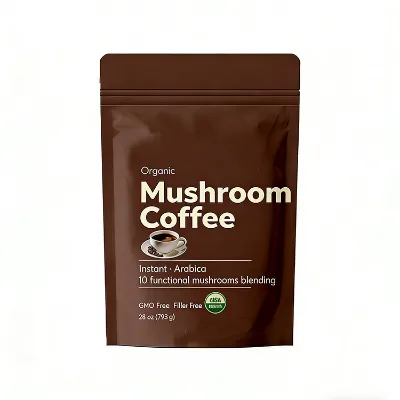


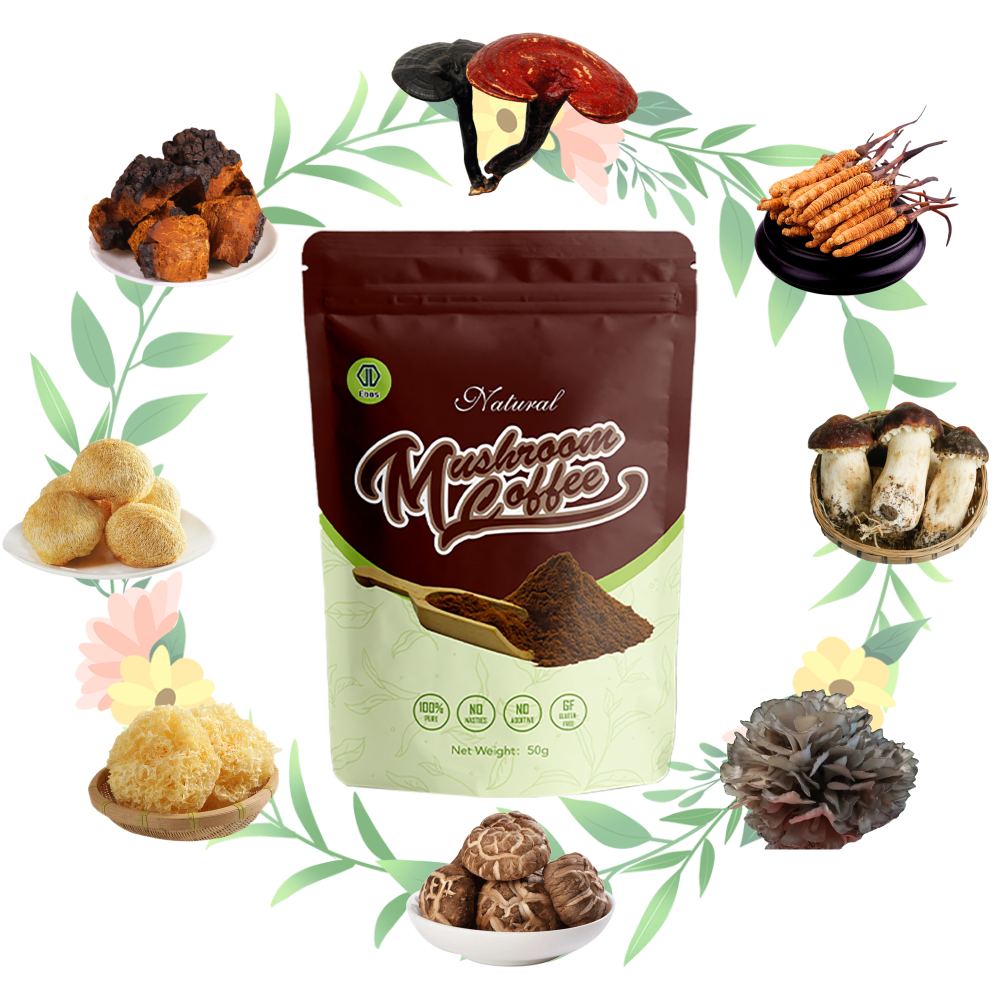
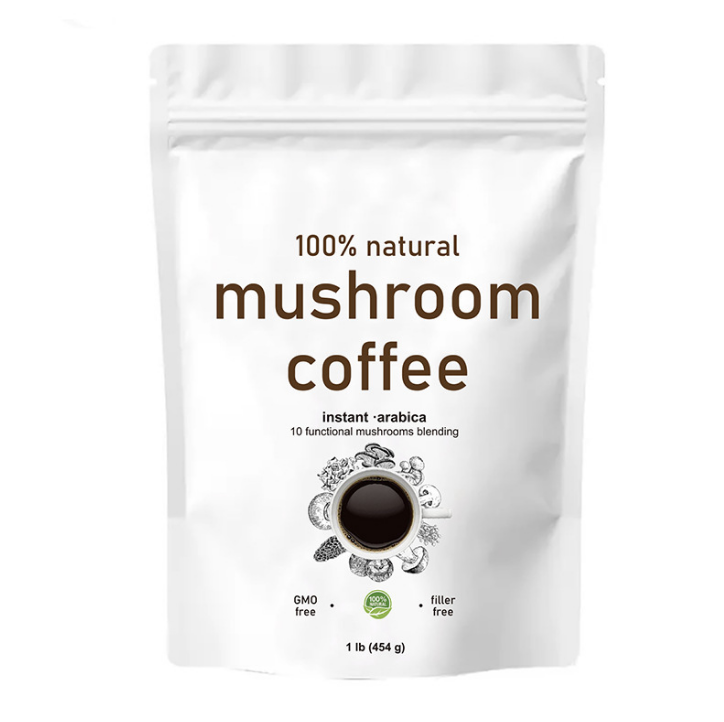


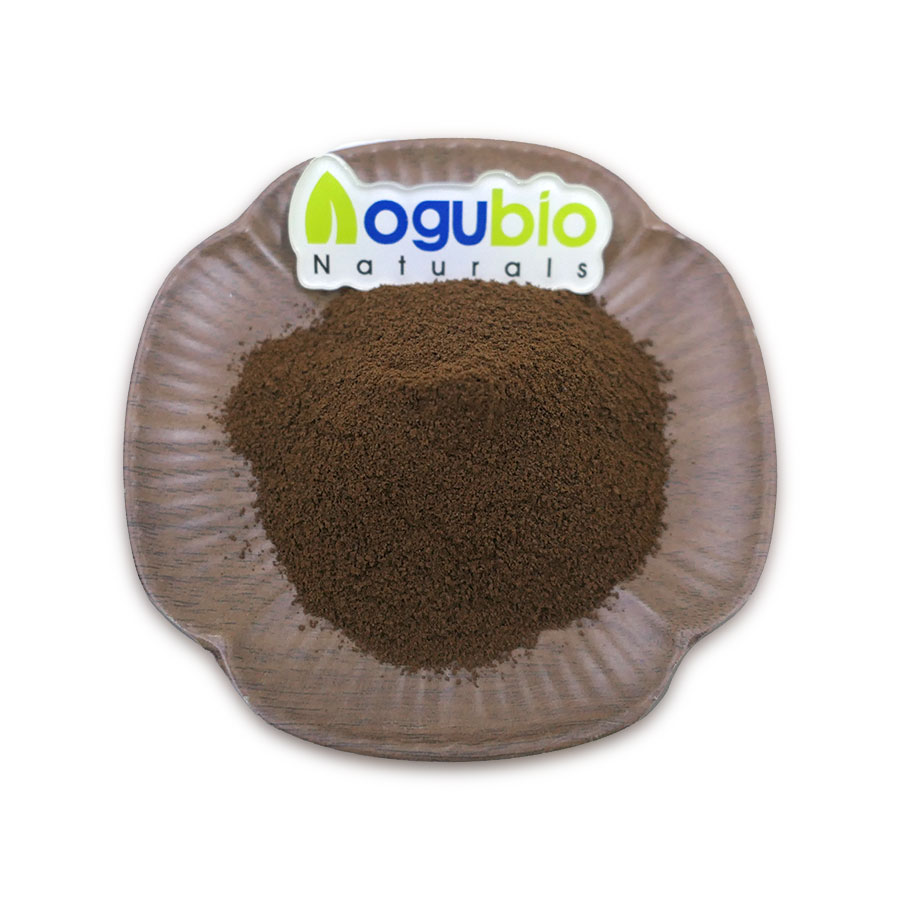


Comprehensive Sourcing Guide
Strategic Sourcing Guide for Organic Gluten-Free Mushroom Coffee Powder
The global demand for functional beverages has accelerated the search for products that combine the energizing properties of coffee with the adaptogenic benefits of medicinal mushrooms. For procurement professionals targeting organic gluten-free mushroom coffee powder, the sourcing landscape requires a rigorous approach to verifying claims, understanding supply chain constraints, and ensuring product integrity. This guide synthesizes available market data and technical requirements to assist buyers in navigating the complexities of this niche category. The objective is to establish a procurement strategy that prioritizes compliance, quality assurance, and supply reliability without relying on unverified marketing assertions.
Technical Specifications and Product Composition
When evaluating mushroom coffee powder, the primary technical differentiator lies in the formulation and the ratio of ingredients. The product is typically a blend of instant coffee and mushroom extracts, such as Lion's Mane, Chaga, or Reishi. Buyers must scrutinize the ingredient list to confirm the absence of gluten-containing grains, as "gluten-free" is a critical health claim. While the supplied data indicates that some products in the broader category list "Ingredients: Non" or "Customization," this ambiguity necessitates direct verification with the supplier. A robust product specification should explicitly state the source of the coffee and the specific mushroom species used, along with their extraction methods.
The physical form of the product is another vital specification. The market data shows a range of packaging formats, including bags and sachets, with specific standard sizes like 10g per sachet or 1000g per bag. The single package size often observed in this sector is approximately 18x9.5x12 cm, which influences logistics planning and shelf-space allocation. Furthermore, the moisture content is a critical quality parameter; data suggests a maximum moisture limit of less than 3g per 100g for similar powdered goods. Exceeding this threshold can lead to clumping, microbial growth, and reduced shelf life. Buyers should also verify the Brix percentage, with observed values indicating levels below 1g/100g, which is consistent with dry powder formulations rather than liquid concentrates.
Compliance and Certification Verification
In the functional food and beverage sector, certifications are not merely marketing tools but essential proof of compliance with international safety and quality standards. The supply chain for mushroom coffee powder often involves multiple jurisdictions, making the verification of certifications paramount. Trusted standards observed in this category include HACCP (Hazard Analysis and Critical Control Points), ISO (International Organization for Standardization), and FDA registration. Additionally, GMP (Good Manufacturing Practice) and QS (Quality Safety) certifications are frequently cited as indicators of a manufacturer's adherence to rigorous production protocols.
Buyers must distinguish between general food safety certifications and specific claims related to the "organic" and "gluten-free" attributes. While the provided data lists certifications such as HACCP, FDA, ISO, QS, and GMP, it does not explicitly confirm organic certification status for every listed item. Therefore, procurement teams must request specific organic certificates (e.g., USDA Organic, EU Organic) and third-party gluten-free testing reports. The presence of a "Food Grade" designation is a baseline requirement, but it does not automatically validate the organic status of the raw materials. Suppliers should be required to provide a Certificate of Analysis (CoA) that details the testing results for heavy metals, pesticides, and mycotoxins, which are common contaminants in mushroom products.
Cost Drivers and Pricing Dynamics
The pricing of organic mushroom coffee powder is influenced by a complex interplay of raw material costs, processing complexity, and certification overheads. The observed price range in the market spans from $1 to $40 per unit, a wide variance that reflects differences in brand positioning, ingredient quality, and packaging sophistication. The "organic" label significantly impacts cost, as certified organic farming practices generally yield lower volumes and higher labor costs compared to conventional agriculture. Similarly, the extraction process for mushroom active compounds (such as beta-glucans) requires specialized equipment and time, adding to the production expense.
Minimum Order Quantity (MOQ) is another significant cost driver. The data indicates an MOQ range from 1 piece to 30,000 units. For new market entrants or those testing product viability, suppliers offering lower MOQs, such as 25 pieces, provide a lower barrier to entry. However, higher volume orders typically unlock better unit economics. The supply ability of manufacturers, with some reporting capacities up to 3,000,000 kilograms per year, suggests that large-scale buyers can secure consistent supply, but this capacity must be matched with the buyer's demand forecast to avoid overstocking or stockouts. Buyers should also consider the cost of customization, as the data confirms that customization is available, which may incur additional setup fees or higher per-unit costs for private label runs.
Typical Applications and Market Positioning
Mushroom coffee powder serves a diverse range of applications, primarily targeting health-conscious consumers seeking alternatives to traditional caffeine sources. The product is marketed with features such as "Low-Fat" and "Sugar-Free," appealing to individuals managing dietary restrictions or looking for clean-label options. The flavor profiles observed in the market include Chocolate, Spices & Herbs, and Cream, indicating that manufacturers are diversifying to meet varied consumer palates. The target demographic is predominantly adults, with a gender-neutral appeal.
The product is often positioned as a functional beverage that supports cognitive function and immune health, leveraging the properties of the included mushrooms. The suggested dosage for such products ranges from 3.5 to 7 grams per day, a critical piece of information for consumers and retailers to communicate usage instructions effectively. The "Instruction for Use" is often listed as "Consulting" or "Please Consult Customer Service," highlighting the need for clear labeling and customer support to guide consumers on proper preparation and consumption. In terms of packaging, the product is frequently sold as a single item, with options for OEM/ODM services allowing brands to create unique identities. The storage requirements are standard, noting "Normal" storage methods but emphasizing "Moisture Proof" conditions to maintain product stability.
Supplier Evaluation and Capability Assessment
Selecting the right supplier is the cornerstone of a successful sourcing strategy. The geographic concentration of suppliers in regions like Fujian, Guangzhou, and general China locations suggests a robust manufacturing ecosystem in East Asia. However, buyers must look beyond location to evaluate the manufacturer's specific capabilities. The data identifies "Herbal Treasure" as a manufacturer in this space, but reliance on a single name is not recommended for a diversified supply chain. Instead, buyers should assess the supplier's supply ability, which can be substantial, reaching millions of kilograms annually.
Key evaluation criteria include the supplier's responsiveness to customization requests, as the data confirms support for custom packaging and formulation. The ability to print logos and provide OEM/ODM services is a standard expectation for private label buyers. Buyers should also verify the "Single Gross Weight" of the product, which varies from 1.7 kg to 17 kg depending on the packaging configuration, to ensure accurate freight cost calculations. The "Address" field in supplier data often points to specific provinces, but verifying the physical location of the manufacturing facility is essential to ensure it aligns with the claimed certifications and quality standards.
Quality Control and Long-Term Procurement Considerations
Maintaining product quality over time requires a proactive quality control (QC) strategy. The shelf life of mushroom coffee powder is typically greater than 12 months, but this is contingent on proper storage conditions. Buyers must implement a QC protocol that includes regular sampling and testing for moisture content, microbial load, and potency of active ingredients. The "Storage Method" is listed as "Normal," but the "Storage Note" explicitly requires moisture-proof conditions, indicating that humidity control is a critical factor in the supply chain.
For long-term procurement, buyers should consider the scalability of the supplier. With supply abilities reaching 3,000,000 kilograms per year, suppliers appear capable of handling significant volume increases. However, buyers must establish clear communication channels for lead times and production scheduling. The "Instruction for Use" being "Consulting" suggests that the supplier may offer technical support, which can be leveraged for troubleshooting and product optimization. Additionally, the "Packing Details" indicate that packaging can be tailored to customer requirements, including the use of metal or carton materials. Ensuring that the packaging material is compatible with the product's preservation needs is vital for maintaining the integrity of the powder during transit and storage.
| Evaluation Criteria | Key Observation from Data | Procurement Action |
|---|---|---|
| Certifications | HACCP, FDA, ISO, GMP, QS listed | Request valid certificates and audit reports |
| MOQ Range | 1 to 30,000 units | Negotiate based on volume and initial testing needs |
| Shelf Life | >12 Months | Verify expiration date labeling and storage protocols |
| Customization | Supported (OEM/ODM, Logo) | Define branding requirements early in the process |
| Origin | China (Fujian, Guangzhou) | Verify specific factory locations and logistics routes |
| Packaging | Box, Carton, Metal, Sachet | Confirm material suitability for moisture protection |
In conclusion, sourcing organic gluten-free mushroom coffee powder requires a meticulous approach that balances technical specifications, regulatory compliance, and supplier capabilities. By focusing on verified certifications, understanding the cost drivers, and implementing robust quality control measures, buyers can secure a reliable supply chain that meets the high standards of the modern functional beverage market. The data provided offers a solid foundation for these decisions, but continuous verification and relationship building with suppliers remain essential for long-term success.
FAQs
What certifications do organic mushroom coffee suppliers typically hold?
Suppliers typically hold HACCP, FDA, ISO, GMP, and QS certifications. These standards verify compliance with food safety and manufacturing protocols, ensuring the product meets international quality requirements for functional beverages.
How is the moisture content controlled in mushroom coffee powder?
The maximum moisture content is kept below 3 grams per 100 grams. This strict limit prevents clumping and microbial growth, ensuring the powder remains stable during storage and transit under moisture-proof conditions.
Can suppliers customize packaging and branding for private label orders?
Yes, customization is available including logo printing and OEM/ODM services. Buyers can specify packaging materials like boxes or cartons and request specific sizes, such as 10 grams per sachet, to match their brand needs.
What is the typical shelf life for this functional coffee product?
The shelf life exceeds 12 months when stored correctly. Products require normal storage methods but must be kept in moisture-proof conditions to maintain quality and prevent degradation of the coffee and mushroom extracts.
Which locations are common for sourcing these coffee manufacturers?
Manufacturers are commonly located in Fujian, Guangzhou, and other regions in China. These areas host suppliers with significant supply abilities, allowing for large-scale production and reliable logistics for international buyers.
What is the minimum order quantity for new buyers?
Minimum order quantities range from 1 piece up to 30,000 units depending on the supplier. Some vendors offer low entry points like 25 pieces, while others require higher volumes to unlock better unit economics.